








Media Release
23 July, 2026, Sydney, Australia
Single parents, young people, students and renters hardest hit with hygiene poverty exntending well into middle income households
Leading national charity Good360 Australia has today released the most comprehensive assessment of hygiene poverty in Australia1, revealing that more than 5.5 million Australians – 1 in 5 (20%) – are living in hygiene poverty, skipping buying personal hygiene or cleaning products in the last 12 months to afford other essentials.
The Good360 report (Hygiene Poverty in Australia: 2026 Update) reveals that more than 1 in 3 Australians (35%) have experienced hygiene poverty at some point, going without hygiene products because they cannot afford them, with 1 in 10 Australians dipping into hygiene poverty for the first time this year.
The research shows the problem is worsening and spreading. The share of Australians unable to afford hygiene essentials has risen over the last 12 months2, and the crisis now reaches well into middle and higher income Australia, including those employed full time.
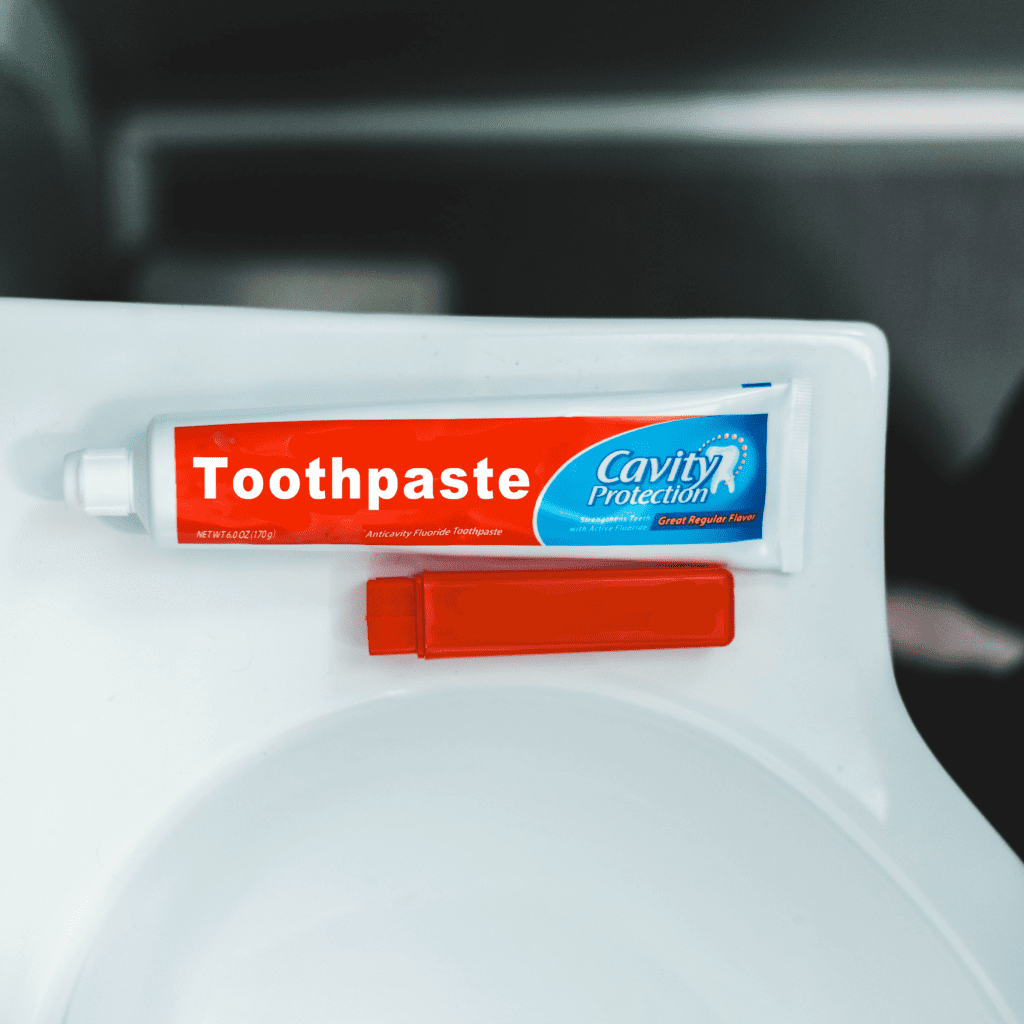
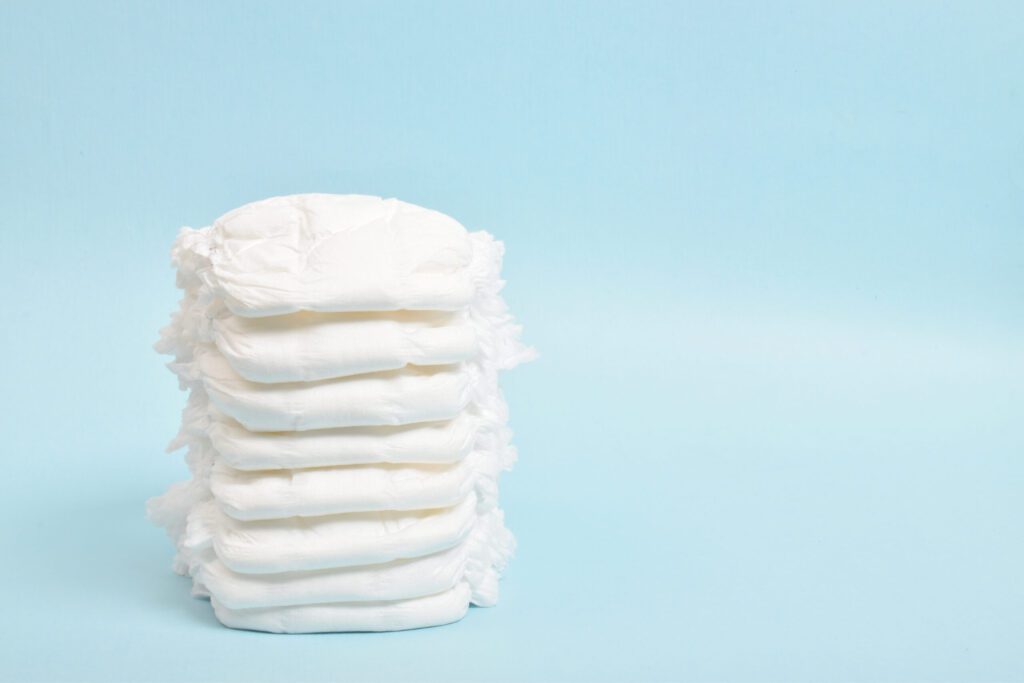
Nearly half of all Australians (43%) are worried they will struggle to afford or will have to go without hygiene products in the next 12 months (everyday essentials such as soap, toothpaste, shampoo, deodorant, nappies, period products and household cleaning items). Single parents are particularly at risk, with 65% worried about the year ahead followed by young people, students and renters.
The Australians most affected by hygiene poverty include:
- Parents and single parents: More than 1 in 3 single parents (37%) and more than 1 in 4 parents (28%) have gone without hygiene products to ensure their children have them.
- Young people (18-24): 1 in 3 (33%) young people have recently skipped buying hygiene essentials, and 54% have experienced hygiene poverty before, double the national rate.
- Renters: 28% of renters have skipped buying hygiene essentials, and 56% are worried about affording them in the next 12 months.
- First Nations Australians, culturally and linguistically diverse (CALD) people, and people with disability are all more likely to be experiencing hygiene poverty.
Victorians and Western Australians are hardest hit by hygiene poverty. Nearly 1 in 4 Victorians (24%) have recently skipped buying hygiene items to afford other essentials, while West Australians are the most worried about affording hygiene products in the year ahead (49%).
Alison Covington AM, Founder and Managing Director of Good360 Australia, said the findings should concern every Australian.
“The findings of this research are deeply concerning. Hygiene poverty is no longer a problem at the margins, it cuts across our communities, impacting millions of Australians who are being forced to skip basic hygiene products to afford food, rent, housing and petrol. It is not only Australians on the lowest incomes that are affected. Our research shows hygiene poverty now reaches full time workers and all types of families, extending well into middle income Australia.
“The impacts are serious and often hidden, with major implications for personal health and wellbeing, as well as for our society and economy. People are withdrawing from social life, delaying medical appointments, even avoiding work or job interviews. No one in a country like Australia should have to make these choices. Everyone deserves to live with dignity, and that starts with the basics,” Ms Covington said.
The research reveals the deep personal toll of hygiene poverty. Among those who have experienced it:
- 1 in 3 (34%) have avoided social situations
- 1 in 3 (33%) have felt embarrassed or ashamed, or experienced mental health impacts
- Nearly 1 in 4 (23%) have delayed a doctor or dental appointment
- Nearly 1 in 10 (8%) have avoided going to work or a job interview.
The research also shows that women are consistently more impacted by hygiene poverty than men. Almost 1 in 4 women (23%) have skipped buying hygiene products, compared with 16% of men, and they are nearly twice as likely to have delayed a doctor or dental appointment. Meanwhile, 1 in 10 women have gone without period products due to the cost.
Australians want governments and businesses to act to reduce hygiene poverty
According to the research 95% of Australians rate personal hygiene products as essential to living with health, dignity and confidence, equal to secure housing and ahead of heating and cooling. More than half (56%) believe governments could do more to reduce hygiene poverty, and 44% say the same of business. Nearly 4 in 5 Australians (79%) agree no one should have to go without basic hygiene products, with strong support for specific measures:
- 61% want GST removed from essential hygiene products
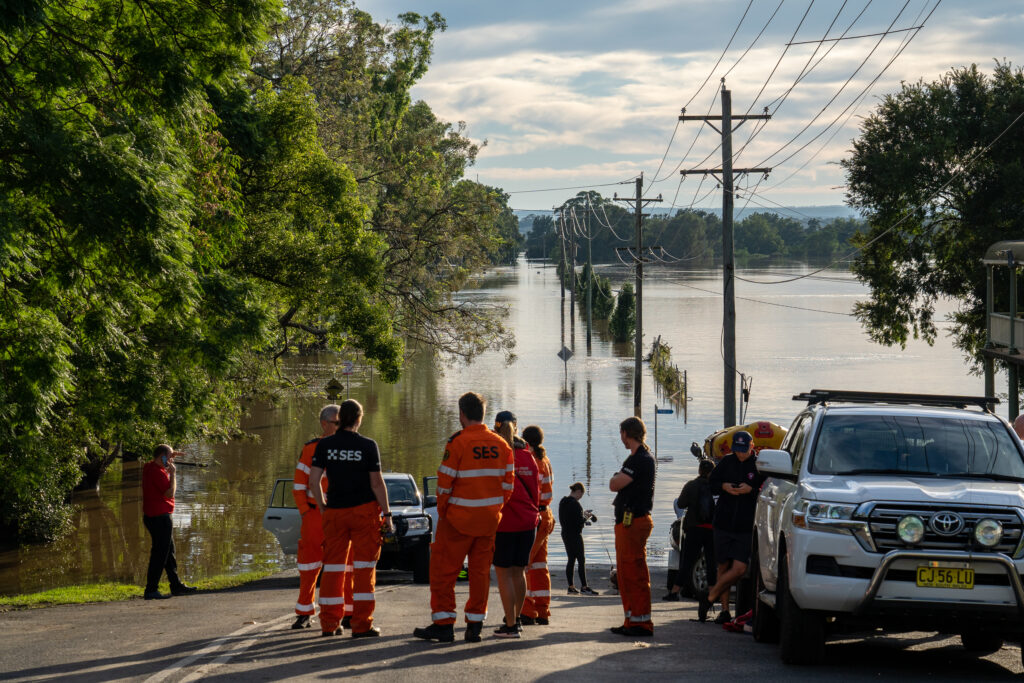
- 51% want hygiene kits automatically included in emergency disaster relief
- 48% want businesses to donate surplus hygiene products rather than dispose of them
- 48% want hygiene products provided free in schools, universities and TAFEs.
“People should be able to afford hygiene products as well as food, fuel and housing. Our research shows Australians want governments and businesses to step up to reduce hygiene poverty, and they back practical action, from removing GST on essential hygiene items to making them available to students and including them in disaster relief.
“The good news is that this is a solvable problem. Right now, surplus hygiene products that could change lives are being sent to waste instead of reaching the people who need them. We can dramatically reduce hygiene poverty in this country. What we need now is the will to act.
“That is why we are asking governments, businesses and everyday Australians to help us deliver one million donated hygiene products to people doing it tough, and help close the gap for the millions affected,” Ms Covington said.
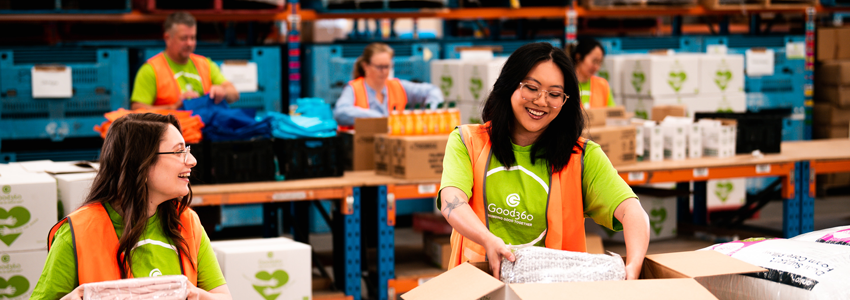
Good360 is urgently working to secure 1 million donated hygiene products and help close the gap for the 5.5 million Australians living in hygiene poverty – and is calling on governments, businesses and everyday Australians to help. There are two ways to help:
Give goods: Businesses with surplus hygiene stock can donate it through Good360 to reach charities and schools across the country. Email corporatepartnerships@good360.org.au.
Fund goods: Every dollar makes a difference. Governments, businesses and individuals can support Good360 and fund hygiene packs for people who need them. Just $25 can deliver a complete hygiene pack containing 8 essential items. Learn more at www.good360.org.au/impact-areas/hygiene
MEDIA CONTACT: Ben Hornbrook – 0431 180 161 / ben@kaizenco.au
About Good360 Australia: Good360 Australia is Australia’s leading not-for-profit, online marketplace for charities and disadvantaged schools. We redirect donated new products to the people who need them most, working with over 600 partners and a network of 4,800 charities and schools. Our purpose is to ensure no one in Australia goes without life’s everyday essentials, including for hygiene, play, home and education. The result is a Circle of Good that reduces both need and waste in our communities. www.good360.org.au
APPENDIX 1: Methodology and further findings from the research (Good360 Hygiene Poverty in Australia: 2026 Update)
Research Methodology:
1 Nationally representative online survey of 2,046 Australians aged 18+, conducted by PureProfile on behalf of Good360 Australia in June 2026. Population figures based on ABS national population data.
2 20% recently experiencing hygiene poverty in 2026 up from 12% in 2025. The 2026 survey asked about experiences over the last 12 months. The 2025 survey used a six month reference period.
Additional national findings
- More than 1 in 3 (36%) Australians say their household’s ability to afford hygiene and cleaning products is worse now than it was 12 months ago (10% much worse, 26% slightly worse). Only 14% say their situation has improved.
- More than 1 in 5 (21%) have redirected hygiene spending to cover rent or mortgage – rising to 37% of single parents and 35% of renters
- When money gets tight, hygiene products are often the first things left behind. Over the last year, 51% of Australians redirected their hygiene budget to cover other bills:
- Food: 26% skipped hygiene essentials to pay for groceries
- Housing: 21% skipped hygiene essentials to pay rent or mortgage payments
- Household cleaning products are the second most common item Australians remove at the checkout (27%), behind only snack foods (54%)
- 26% have sought or considered seeking charity support for hygiene products, including 15% who have considered it but not yet asked – a sign of significant unmet need
- 45% have gone without or delayed replacing at least one hygiene or cleaning product because of cost, with hand sanitiser, cleaning products and sunscreen the most commonly skipped
- Hygiene poverty is reaching the middle class: households earning $90,000 to $120,000 report experiencing it at a similar rate to those earning under $35,000 (38-39%) Almost 1 in 4 full-time workers (23%) have skipped buying hygiene products to afford other essentials in the last year.
Who is more likely to be impacted by hygiene poverty?
Parents and single parents
- More than 1 in 4 parents (25%) and 1 in 3 single parents (33%) have skipped buying personal hygiene or cleaning products to afford other essentials in the last 12 months – well above the national rate of 20%
- Parents are also sacrificing their own hygiene and wellbeing for their children. More than 1 in 3 single parents (37%) and more than 1 in 4 parents (28%) have gone without hygiene products themselves to ensure their children could have them
- 65% of single parents are worried about affording hygiene products in the next 12 months – the highest level of concern of any group in the survey, and well above the national average of 43%
- More than 1 in 2 single parents (52%) say their ability to afford hygiene products is worse than 12 months ago – compared with 36% nationally – and 28% have felt embarrassed or ashamed or experienced mental health impacts, double the national rate (14%)
Women
- Nearly 1 in 4 women (23%) have skipped buying hygiene products to afford other essentials in the last 12 months – seven percentage points higher than men (16%)
- Women are nearly twice as likely as men to have delayed a medical or dental appointment because of hygiene poverty pressures (14% vs 8%)
- 1 in 10 women have gone without period products because of the cost
- Women are more worried they will struggle to afford essential hygiene products in the next 12 months – nearly half are concerned (48% compared with 39% of men)
- 61% of women believe governments could do more to reduce hygiene poverty – 11 percentage points higher than men (50%). 66% support GST removal on hygiene products, compared with 55% of men.
Younger people
- 18-24 year olds are the most acutely affected age group – almost twice as likely to have experienced hygiene poverty before (54% vs 35% national)
- 1 in 3 young people have skipped buying products to afford other essentials in the last 12 months (33% vs 20% nationally)
- 30% have felt embarrassed, ashamed or experienced mental health impacts of hygiene poverty (vs 14% nationally)
- 55% are worried about affording hygiene products in the next 12 months – vs 43% nationally
- Students show the clearest need for support – 40% have sought or considered charity support, and 20% have relied on charities, family or friends to access hygiene products.
Renters
- Renters more likely to have experienced hygiene poverty in the last 12 months (28% vs 20 nationally)
- 56% of renters are worried about affording hygiene products in the next 12 months – compared to 43% nationally
- Over a third of renters 35% have redirected hygiene spending to pay for rent (compared to 21% nationally who have redirected to cover housing costs)
- Renters are 11 percentage points more likely to have sought or considered charity support for hygiene poverty.
First Nations Australians
- More than three quarters (77%) of Aboriginal and Torres Strait Islander Australians have experienced hygiene poverty before – more than double the national rate of 35%
- Aboriginal and Torres Strait Islander Australians are experiencing hygiene poverty for the first time at three times the national rate (33% vs 10%)
- 61% have sought or considered seeking charity support for hygiene products in the last 12 months – more than double the national rate (26%). Of this, 22% have considered seeking support but not yet done so – representing significant unmet need.
CALD Australians
- 51% of CALD Australians have experienced hygiene poverty before – nearly one and a half times the national rate (35%)
- Nearly 1 in 5 CALD Australians (18%) are experiencing hygiene poverty for the first time – almost double the national rate (10%)
- 38% have sought or considered seeking charity support for hygiene poverty – nearly one and a half times the national rate (26%). Of this, 20% have considered seeking support but not yet done so – representing significant unmet need.
APPENDIX 2: State snapshot (Good360 Hygiene Poverty in Australia: 2026 Update)
Victoria
Victoria is the state most affected by hygiene poverty
- Nearly 1 in 4 Victorians (24%) have recently skipped buying hygiene products to afford other essentials – highest of any state
- Nearly 2 in 5 have experienced hygiene poverty (39%) – above national average of 35%
- 2 in 5 (40%) say their situation is worse than 12 months ago – highest of any state
- Nearly 1 in 2 (48%) are worried about the next 12 months – second only to WA
- 18% have felt embarrassed or ashamed or experienced mental health impacts of hygiene poverty – highest of any state
- 22% have redirected hygiene spending to pay for rent or mortgage
- 30% have sought or considered charity support for hygiene poverty – highest of any state
- 58% believe governments could do more to reduce hygiene poverty, while 60% support GST removal on hygiene products.
Western Australia
- West Australians are most concerned about affording hygiene products in the next 12 months (49%) – six percentage points above the national average
- Nearly 2 in 5 West Australians have experienced hygiene poverty (38%) – above the national average of 35%
- 1 in 5 West Australians have skipped buying hygiene products to afford other essentials in the last 12 months (19%)
- 15% are experiencing hygiene poverty for the first time – the highest first-time rate of any state
- 23% have redirected hygiene spending to pay for rent or mortgage – the highest of any state (vs 21% national)
- 57% believe governments could do more to reduce hygiene poverty; 59% support GST removal on hygiene products.
Queensland
- More than 1 in 4 Queenslanders have experienced hygiene poverty (27%)
- Almost 1 in 5 Queenslanders have recently experienced it, skipping buying hygiene products to afford other essentials in the last 12 months (18%)
- More than 1 in 3 (37%) are worried about affording hygiene products in the next 12 months
- 1 in 3 say their ability to afford hygiene products is worse than 12 months ago (34%)
- Queenslanders are most likely to believe that Australians should not have to go without basic hygiene products (83%) – the joint-highest level of agreement of any state (alongside SA)
- 51% of Queenslanders believe governments could do more to reduce hygiene poverty, while 61% support GST removal on hygiene products.
New South Wales
NSW residents are more likely to have experienced hygiene poverty and are more concerned about affording hygiene items in the next 12 months.
- 2 in 5 NSW residents have experienced hygiene poverty (39%) – above the national average of 35%
- 1 in 5 NSW residents have recently skipped buying hygiene products to afford other essentials (18%)
- 45% are worried about affording hygiene products in the next 12 months – above the national figure of 43%.
- 56% believe governments could do more to reduce hygiene poverty; 60% support GST removal on hygiene products.
South Australia
- 1 in 4 South Australians has experienced hygiene poverty before (24%)
- Nearly 1 in 5 South Australians have experienced it recently, skipping buying hygiene products to afford other essentials in the last 12 months (17%)
- More than 1 in 3 (36%) are worried about affording hygiene products in the next 12 months
- 1 in 3 South Australians say their ability to afford hygiene products is worse than 12 months ago (34%)
- South Australians are most likely to believe that Australians should not have to go without basic hygiene products (83%) – the joint-highest level of agreement of any state (alongside QLD)
- South Australians show strong support for government action to reduce hygiene poverty: 65% support GST removal on hygiene products – the highest nationally, while 52% believe governments could do more to reduce hygiene poverty.
Tasmania
- 1 in 4 Tasmanians are worried about affording hygiene products in the next 12 months (25%)
- Around 1 in 8 Tasmanians (12%) have skipped buying hygiene products to afford other essentials in the last 12 months.
- 1 in 4 Tasmanians have experienced hygiene poverty (25%)
- More than 1 in 4 (27%) say their ability to afford hygiene products is worse than 12 months ago
- Tasmanians express strong support for government action on hygiene poverty, particularly disaster relief: 54% believe governments could do more, and 63% support GST removal on hygiene products, 63% want hygiene products included in disaster relief and emergency response packages – the highest of any state, and 12 percentage points above the national average (51%).