








Media Release
30 April 2026, Sydney, Australia
New charity research shows demand for donated goods has never been higher and reveals the ‘recovery gap’ leaving millions of Australians behind following crises
New research1 from national charity Good360 Australia reveals that Australian charities are experiencing skyrocketing demand for donated essentials, and highlights the long road to recovery following a crisis or disaster, with nearly two-thirds of charities (62%) saying that most families take more than two years to recover, or never fully recover.
The Good360 Bridging the Recovery Gap report, a survey of nearly 300 charities across the country, comes as Australia grapples with a renewed cost-of-living crisis triggered by events in the Middle East, which is expected to drag on for months. Against this backdrop the research reveals:
- 80% of charities say demand for non-food aid has never been higher, while the same proportion say more people are doing it tough and in need of support
- Almost two-thirds (63%) of charities say they’re seeing more people reaching out for support for the first time
- Nearly 4 in 5 charities (78%) don’t have enough brand-new donated goods to meet demand in the community (up from 65% in 2024 and 69% in 2025).
Alison Covington AM, Founder and Managing Director of Good360 Australia, which redirects new, unsold essential items to people in need, says the research highlights both the immediate challenge and the prolonged and largely invisible crisis that families face long after the immediate response to crises passes.
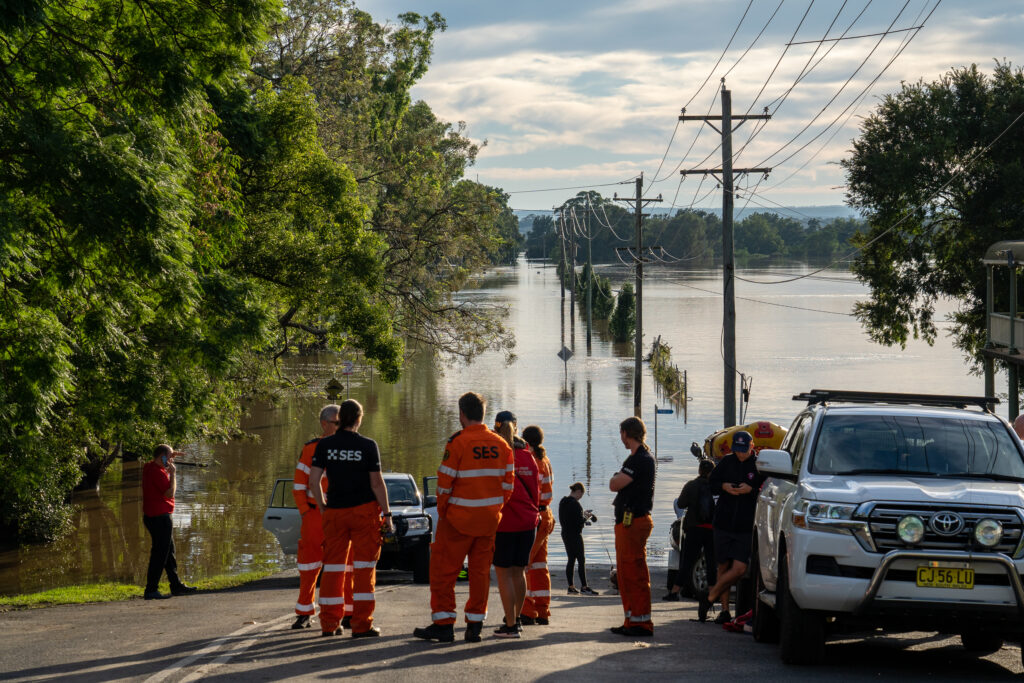
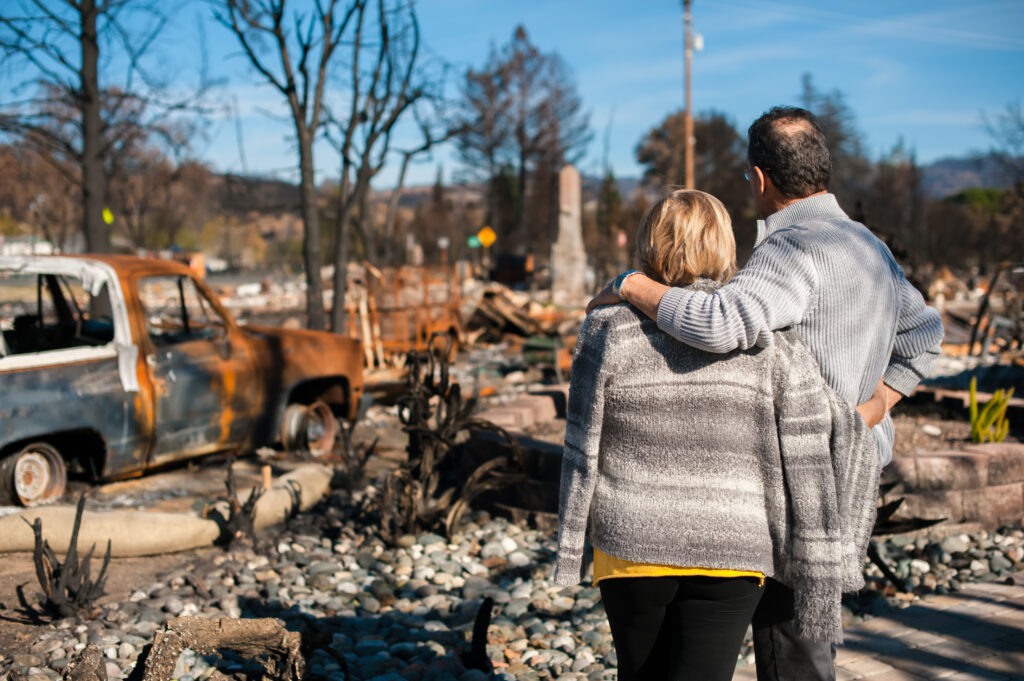
“Australia is facing an unparalleled economic crisis, while increasingly severe and frequent floods, bushfires, and severe weather continue to impact communities across the country. Sadly, our research highlights that too many Australians are silently struggling years on from disaster, without the basics to make a house a home.
“Long after a crisis or disaster hits, our research shows the majority of recovering families are still in need of essential items and household goods. The items that make a house a home including the fridge, washing machine, cookware, bedding and education items, are all too often forgotten about. This recovery gap needs to be closed.
“Charities are stretched to their limits, and much more can be done to support people who need access to essentials. We need to act not only in the immediate aftermath of crises and disasters, but in the long-term, because recovery doesn’t happen quickly and for some it doesn’t happen at all,” Ms Covington said.
When it comes to supporting people and communities to recover from crises and disasters, the national charity research also reveals:
- The majority of charities say the biggest gap in support for families recovering from a crisis or disaster is in the longer term (59%).
- 35% say the biggest gap is the 3-12 month recovery phase, and 24% say it is the 12+ month recovery phase.
- Most charities don’t feel prepared to support their community in the long-term recovery phase (61%). Just 6% feel very prepared.
- Charities’ greatest concerns in supporting community recovery are:
- 57% – Funding constraints
- 56% – Rising cost of essential household items
- 46% – Insufficient donated goods
- 36% – Community mental health impacts
- 31% – Volunteer burnout
- 30% – Underinsurance and/or delays in insurance payouts
- 23% – Local storage and logistics capacity
- 10% – Increasing frequency or severity of disasters
Good360 and major partner Harvey Norman are working together to close the recovery gap – starting with the essential home goods families need to transform a house into a place people can truly recover and thrive after disaster.
Samantha Waters, General Manager of Sponsorships at Harvey Norman says: “Every home should be a place of safety, that creates a sense of belonging. Yet for too many Australians, particularly those recovering from crisis or disaster, this simply isn’t the case even years on. Working with Good360, Harvey Norman provides much needed home essentials that help support people who may otherwise be forgotten in the aftermath of a crisis, helping them to rebuild their lives in the immediate and long-term. Since 2019, we’ve worked closely with Good360 to ensure families have access to white goods, furniture and household appliances to create safe homes, that function and support daily life. We’re proud to play a part not only in donating practical support but also offering a return to independence and hope for the Australians who need it most.”
Alison Covington AM says the research makes clear that supporting Australians doing it tough and closing the recovery gap requires businesses, government and the charity sector to work together at scale.
“We know this is a tough period for businesses and governments, but there is much more that can be done to support people now, and to close the long-term recovery gap. Smart collaboration and partnerships are key to delivering for people and communities.
“We’re incredibly grateful for the support Good360 receives from Harvey Norman and our generous network of retail and corporate partners. Every week we distribute thousands of essential household items such as appliances, furniture, bedding, clothing and utensils to charities and disadvantaged schools across the country, but we need more support to meet the growing demand. By donating surplus goods, businesses and retailers have a huge opportunity to provide relief to Australians doing it tough. Together, we can ensure that every home has the essentials needed for a comfortable and dignified life, especially when recovering from crises and disasters,”Ms Covington said.
The research also highlights that people are looking to the government and businesses to step up. A staggering 92% of charities across Australia believe that governments could be doing more to ensure people in need can access essential goods, while 87% believe retailers and businesses could be doing more.
If your organisation has surplus home essentials, you can play a vital role in helping people in need. Email Good360 at corporatepartnerships@good360.org.au or visit https://good360.org.au/impact-areas/home/ to learn more.
MEDIA CONTACT:
Flora Campbell – 0400 385 031 / flora@kaizenco.au
Ben Hornbrook – 0431 180 161 / ben@kaizenco.au
About Good360 Australia: Good360 Australia is Australia’s leading not-for-profit, online marketplace for charities and disadvantaged schools. We redirect donated new products to the people who need them most, working with over 600 partners and a network of 4,800 charities and schools. Our purpose is to ensure no one in Australia goes without life’s everyday essentials, including for hygiene, play, home and education. The result is a Circle of Good that reduces both need and waste in our communities. www.good360.org.au
From a shelter to a home: what recovery looks like in practice
CASE STUDY: Birds in the Bush, Orange NSW
Birds in the Bush is a domestic and family violence charity in Orange, NSW. Its facility, The Orchard, provides six apartments for women and children fleeing domestic violence – spaces designed to offer safety and stability at one of the most vulnerable points in a family’s life. Good360 and Harvey Norman provided Birds in the Bush with essential household items that transformed each unit from a shelter into a home, giving residents the foundation they needed to begin rebuilding.
“We got set up with brand new blankets, doonas, towels, everything we would need for a brand-new home. It was just a light at the end of the tunnel, the support we received turned everything around for me and the kids.”
Rhiannon – Resident supported through Birds in the Bush via Good360
Additional findings from the Good360 Bridging the Recovery Gap report:
The essential items in greatest demand by charities across Australia right now are:
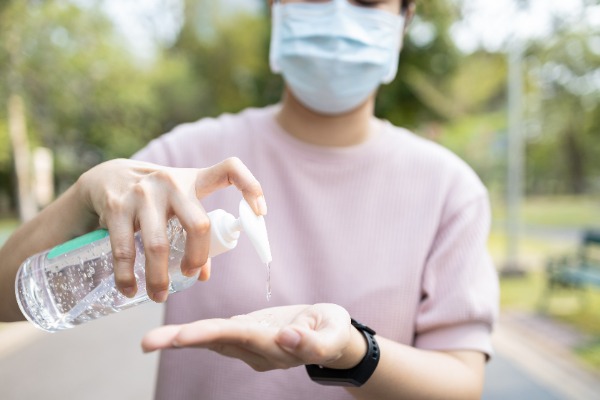
- Personal hygiene and cleaning products (75%) – the most in-demand category of non food aid
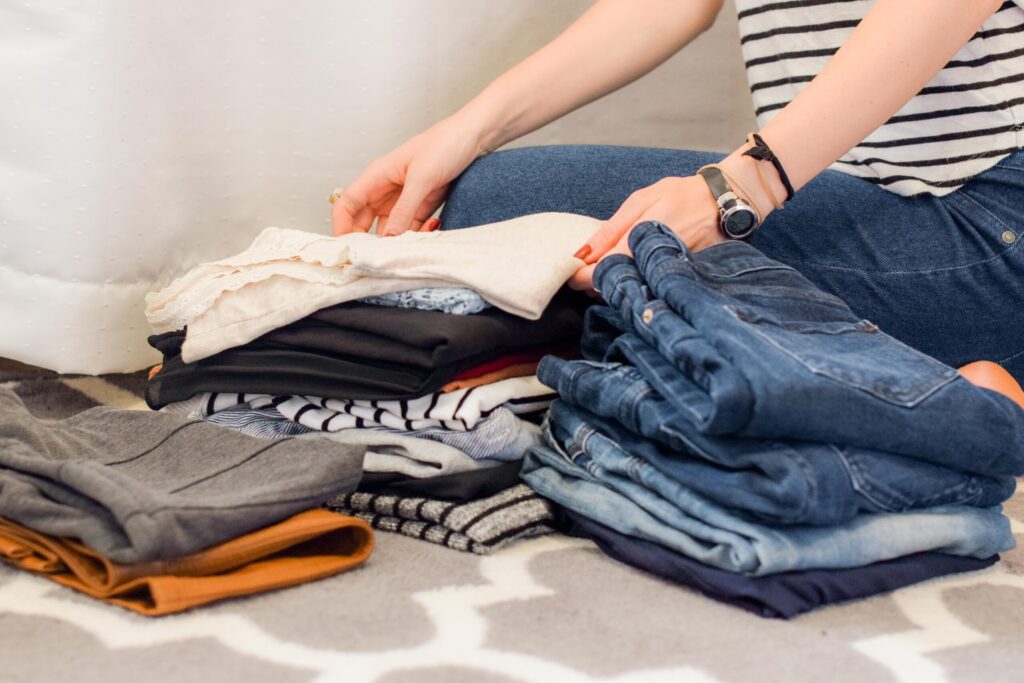
- Clothing (64%)
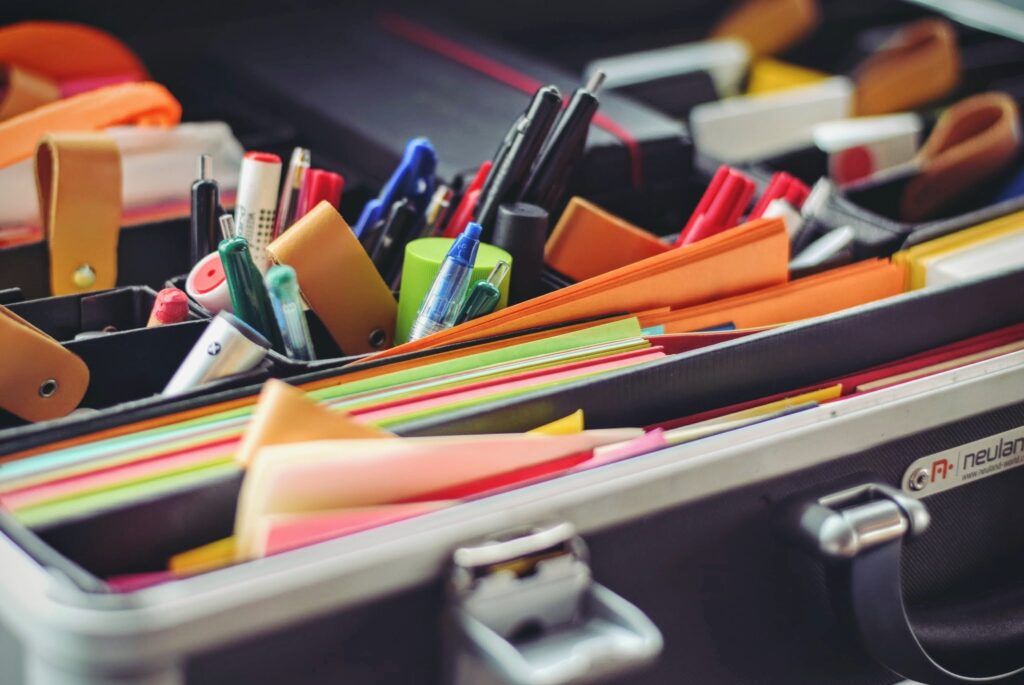
- Education items such as stationery, books and backpacks (62%)
- Household appliances (60%)
- Personal electronics such as digital devices (51%)
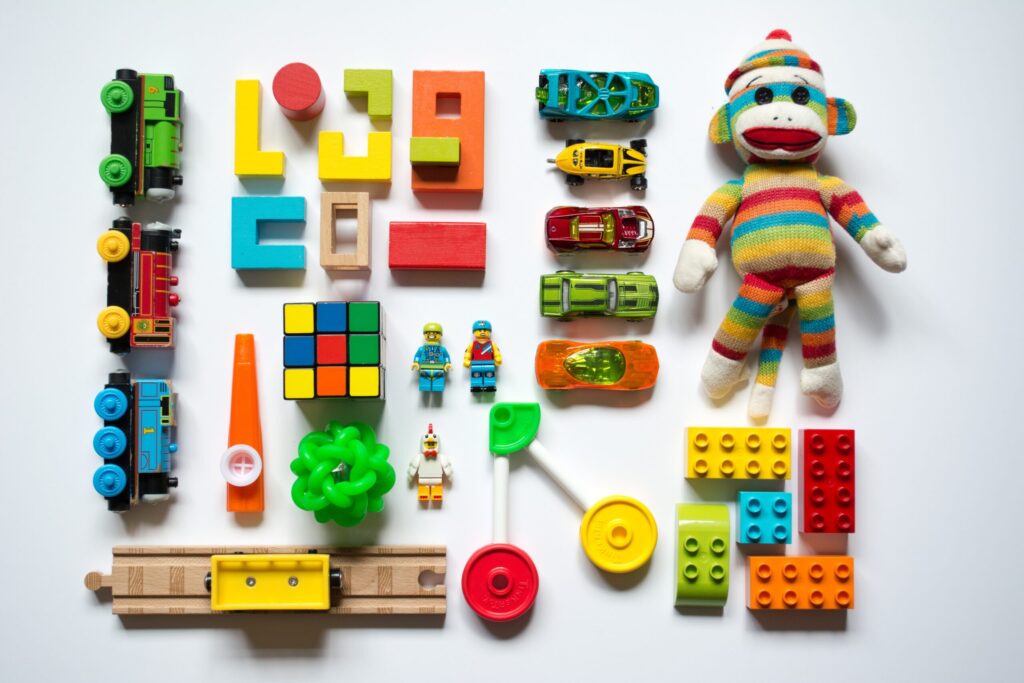
- Items for play such as toys and sporting equipment (52%)
- Furniture and household goods (49%)
The essential household items most critical for families to replace when recovering from a crisis or disaster are:
- Whitegoods (86%)
- Beds & bedding (84%)
- Kitchen appliances (78%)
- Clothing and apparel (72%)
- Kitchenware (63%)
- Furniture (59%)
- Electrical appliances (56%)
The most significant impacts for families recovering from a crisis or disaster when long term recovery needs are not met are:
- Ongoing financial stress or debt (95%)
- Deteriorating mental health (95%)
- Family stress or breakdown (88%)
- Housing instability (82%)
Meanwhile, an estimated $4.5 billion worth of unsold household goods are wasted each year2. These are items that can be efficiently redirected to people in need.
1 A Good360 Australia survey of 279 charities and disadvantaged schools across the country conducted in March-April 2026
2 Report by Deloitte Access Economics (2025) commissioned by Good360 Australia