














Media Release
5 February 2026, Sydney, Australia
Millions of families concerned about affording education essentials as ‘hidden costs’ add to cost of living stress for half of parents
New national research from leading charity Good360 Australia reveals widespread and rising concern among Australian parents about education-related costs, with nearly 4 in 10 (37%) worried about affording essential education items for their children this year.
The research of 500 parents of school-aged children reveals nearly a third of parents (31%) are more concerned than last year about affording education-related items, while half (48%) say the ‘hidden costs’ of education are adding to their overall cost-of-living stress.
The Good360 Australia research report (Everyone Deserves Education) also shows that over 1 in 3 parents (34%) feel that education-related costs are out of control, with digital tools continuing to top the list of concerns. One in 4 parents (24%) are worried about affording laptops, tablets or reliable internet access for their child’s education, followed by the cost of uniforms, shoes and clothing (22%), school supplies such as books and stationery (14%), and even basic items like lunch boxes and drink bottles (9%).
For many families, the impact goes well beyond household budgets. More than 1 in 8 parents (13%) say difficulty affording education items has caused stress or worry in their household. These concerns include the impact on their children’s ability to fully participate in education, including missing out on activities or struggling with homework, and their wellbeing, such as their confidence, social connections and self-esteem. Meanwhile, 1 in 4 parents (24%) say the cost of extra-curricular activities makes it difficult for their child to participate.
Susan Wallis, Head of Government and Philanthropy at Good360 Australia, said the findings are concerning and reinforce how the often ‘hidden’ or overlooked costs of education essentials can have ripple effects for young people.
“When parents are worried about affording education essential like clothing, stationery and drink bottles, the impact is felt deeply, causing concern, stress and difficult trade-offs. These pressures are ongoing and often invisible, but they have lasting consequences for children’s confidence and wellbeing.
“No family should have to choose between education essentials and other basic needs. Education should open doors, but sadly for too many families, the cost of education items can create barriers for their child to participate fully and thrive.
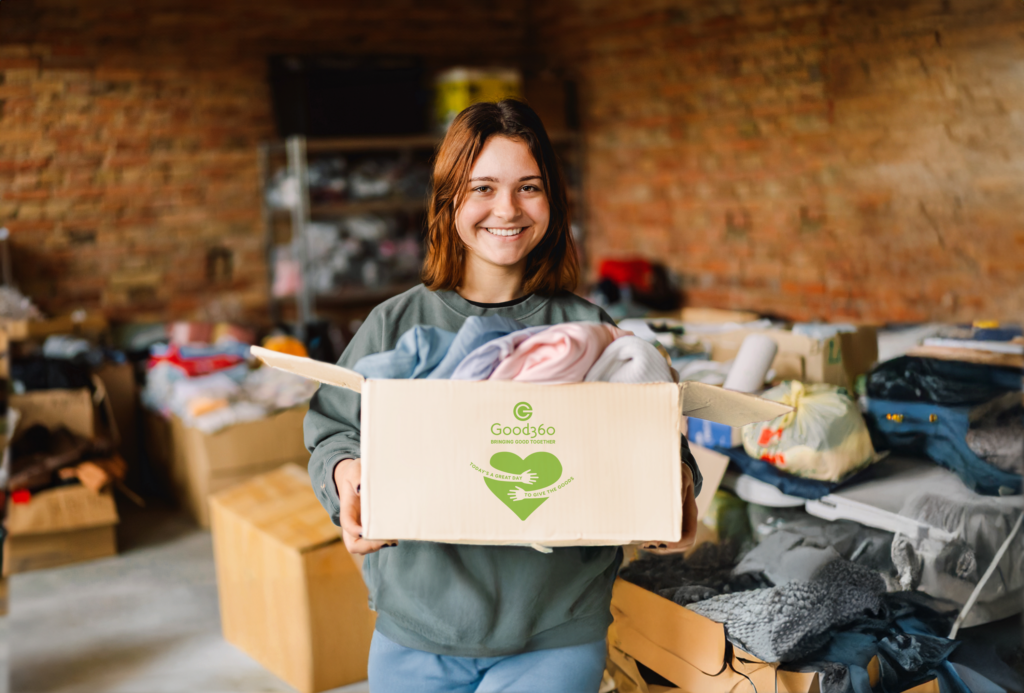
“That’s why Good360 works to connect donated, surplus new education items with the young people, families, communities and schools that need them most. Access to the right items at the right time can make the world of difference to a child’s learning, wellbeing and sense of belonging, but there’s much more that can be done to ensure no child goes without.”
Concerningly, nearly 1 in 10 parents across the country (9%) say they have recently been unable to afford essential education items for their child, while 1 in 5 families (19%) report having to sacrifice other essentials to cover education costs. Meanwhile, 1 in 8 (12%) have had to rely on credit cards or loans to pay for education essentials.
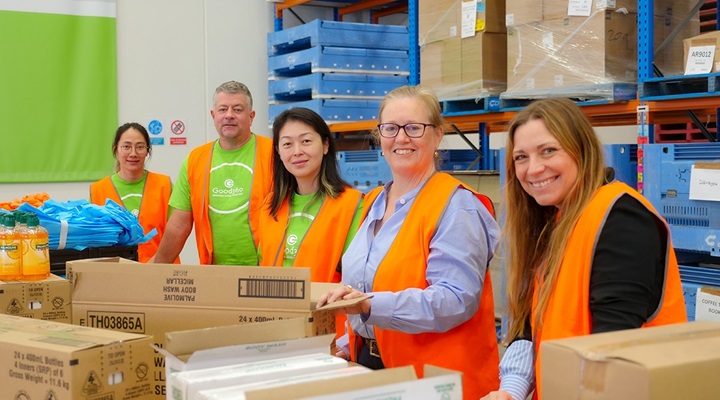
Good360 exists to ensure no one in Australia goes without life’s everyday essentials (including for education, home, hygiene and play, and since 2015 has redirected more than 45.8 million items donated by retailers to people in need, via a network of over 4,800 charities and disadvantaged schools across Australia.
“When so many families and young people are doing it tough, surplus education essentials should not be sitting in warehouses or heading to landfill. By donating these items, businesses can help relieve pressure on families, support children to participate fully at school, while also reducing waste and costs. It’s a win-win and a no-brainer,” Ms Wallis said.
ENDS
To arrange an interview with Susan Wallis, Head of Government and Philanthropy at Good360 Australia, contact:
Flora Campbell – 0400 385 031 / flora@kaizenco.au
Ben Hornbrook – 0431 180 161 / ben@kaizenco.au
About Good360 Australia: Good360 Australia is Australia’s leading not-for-profit online marketplace for charities and disadvantaged schools. We redirect donated new products to the people who need them most, working with over 600 partners and a network of 4,800 charities and schools. Our purpose is to ensure no one in Australia goes without life’s everyday essentials, including for hygiene, play, home and education. The result is a Circle of Good that reduces both need and waste in our communities. www.good360.org.au
Additional findings from the Good360 Australia research:
- Parents of Early Primary students (aged 5-8) are most likely to be concerned about affording essential education items this year – 42% compared to 37% average.
- Parents of boys are more likely to be concerned about affording essential education items – 40% compared to 34% for parents of girls (or both). Parents of boys are also more likely to feel that education-related costs are out of control (37% compared to 32% for parents of girls and 30% for both).
- Meanwhile, parents of girls are more likely to say that cost of extra-curricular activities makes it hard for their child to participate (27% compared to 22% for parents of boys and 24% for both).
West Australian parents are more likely to be concerned about affording essential education items – 45% compared to 37% average. They are also more likely to feel that education-related costs are out of control (42% compared to 34% average), and that the “hidden costs” of education are adding to their overall cost of living stress (51% compared to 48% average).
Editor’s note: Education essentials include the many basic items children need to fully participate in learning (such as uniforms, shoes, stationery, and everyday school items). Hidden education costs include the often overlooked or unexpected expenses related to education, including these essentials, as well as classroom supplies and extra-curricular activities, which can quietly add pressure on family budgets.